Good morning, it’s まさきん.
As I mentioned in my previous post, I drive a Tesla Model Y L. Given that I’m a dual-income dad of four, that might come as a bit of a surprise.
Today’s topic is running costs. Is an EV actually cheaper to keep than a gas car? Let’s find out with an honest look at our own numbers.
What Stays the Same, and What Changes
Let’s start with the costs that don’t change no matter what you drive. We live in the city center and don’t have our own parking space, so we rent a monthly parking spot for about ¥25,000 a month.
That parking fee is fixed regardless of what car we drive — switching to an EV didn’t make it any cheaper or more expensive. I wanted to get that out of the way first.
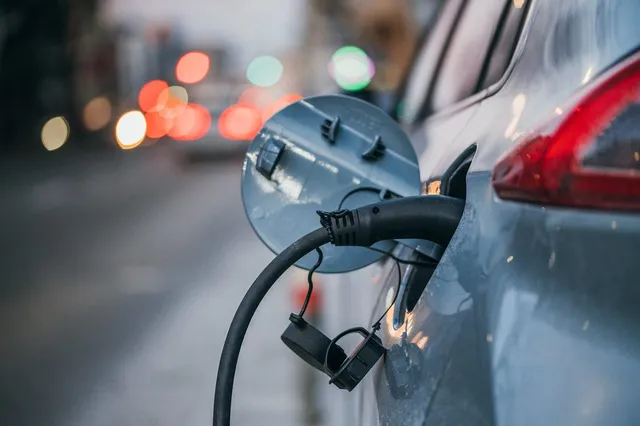
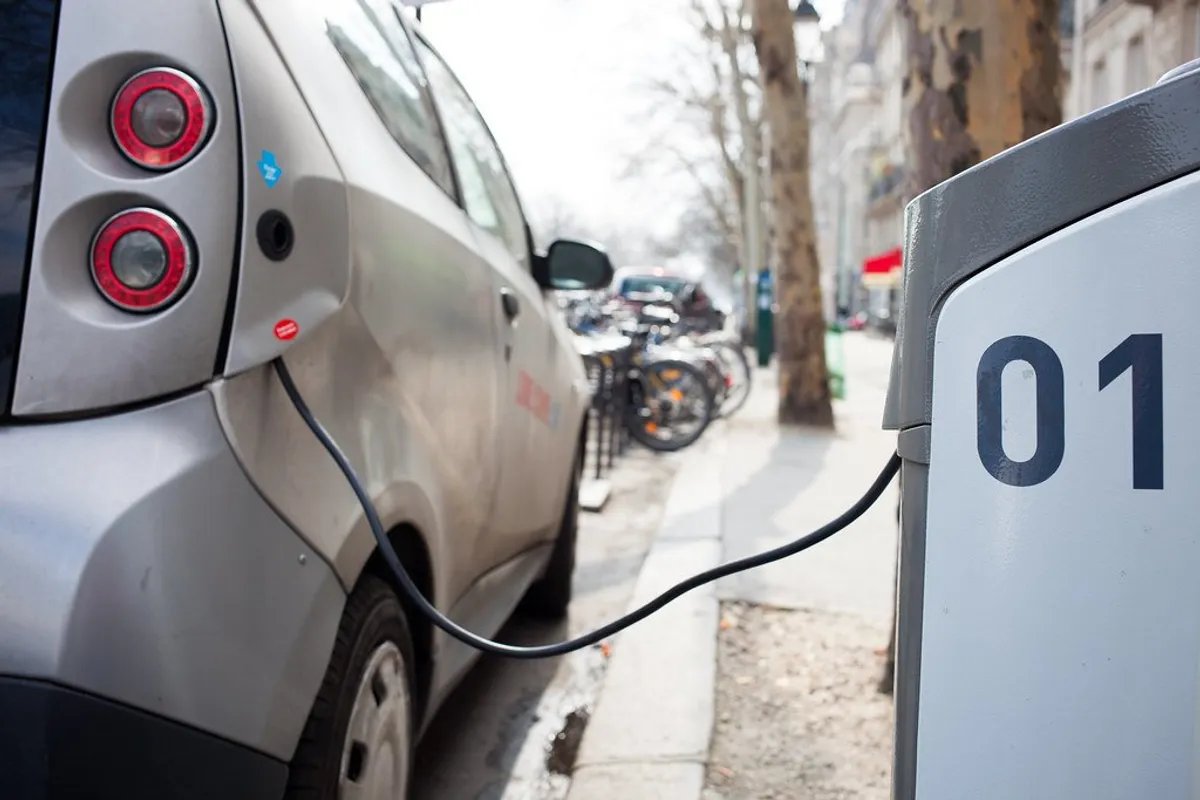
What clearly does change, though, is fuel and maintenance costs. With a gas car, cash goes out every time you fill up; with an EV, it’s mostly about charging at home or on the go. Maintenance is different too — EVs don’t need oil changes, and regenerative braking is said to reduce how often you need to replace brake pads.
To be more concrete, a gas car needs an oil change roughly every six months, plus labor costs. Brake pads also need replacing every few years depending on mileage. EVs simply have fewer of these routine maintenance items — I still haven’t had to schedule a single oil change since taking delivery.
About ¥125,000 a Year: Our Rough Calculation
Let’s put some actual numbers to this. Just keep in mind this isn’t precise bookkeeping — it’s a rough estimate based on our own sense of things.
For comparison, I’m using the large gas-powered SUV/minivan in the Alphard class that we were considering before switching. I roughly estimated a year’s worth of running costs — fuel or electricity plus routine maintenance — assuming similar usage over a year.
| Item | Gas Car (Alphard-class estimate) | EV (Model Y L) |
|---|---|---|
| Monthly parking fee | ¥25,000/month | ¥25,000/month (no difference) |
| Fuel/electricity cost trend | Tends to run high | Tends to stay lower |
| Routine maintenance trend | Regular oil and pad changes | Fewer replacements needed |
| Annual running cost difference (our impression) | — | About ¥125,000/year in savings |
That ¥125,000 figure will vary quite a bit depending on how much and how you drive. A household that only drives on weekends starts from a completely different baseline than ours, where the car is out every day for school runs. Please take this as just one reference point, not a universal number.
One more thing worth noting: our current Supercharger plan includes a three-year free-charging promotion. During this period, our charging costs are close to zero, which naturally works in favor of the estimate above. I’m planning to cover the details of this program in a separate post.
Clicking this opens the Rakuten login page. Once you log in, you’ll see the campaign details.
Subsidies Close the Price Gap More Than You’d Think
So far we’ve focused on running costs, but the price gap at the time of purchase isn’t something you can ignore either. Honestly, EVs tend to have a higher sticker price before subsidies.
But combine the national CEV subsidy with Tokyo’s ZEV subsidy, and the picture changes. For our trim level, the national subsidy topped out at around ¥1,270,000, and the Tokyo subsidy at around ¥850,000. Put them together, and you’re looking at more than ¥2,000,000 in support.
Of course, these are just the upper limits of public programs, and the actual terms depend on your trim, application timing, and municipality — not everyone receives the same amount, so please check the latest official information before you buy. Still, judging an EV as “too expensive” based on sticker price alone seems premature to me.
Honestly, EVs Have Their Weaknesses Too
I’ve been making the case for EVs so far, but for a fair comparison, let’s talk about the downsides too. First, the purchase price is indeed higher before subsidies are applied.
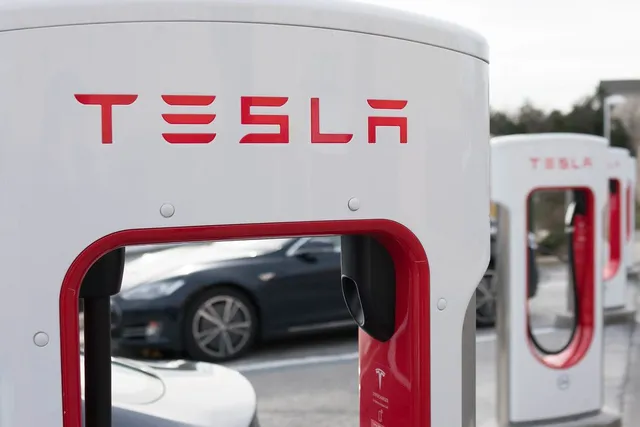
Second, there’s the hassle of charging on long trips. Since we don’t have charging equipment at home, every long drive means relying on the public fast-charging network and planning our route around it. It’s not a huge burden once you’re used to it, but compared to filling up a gas car, it does require more forward planning.
We’ve added one extra step: checking charging station locations and congestion on an app before we leave. A gas car can be refueled almost anywhere in a few minutes, but an EV doesn’t offer that same convenience. Families who do a lot of long-distance driving should weigh this point carefully beforehand.
And then there’s battery degradation over time. Honestly, I don’t have long-term experience with this myself yet. How much the battery will degrade after years of use, and what that will cost, is still an unknown at this point.
Conclusion: In Our Case, the EV Came Out Ahead
To sum up, I can’t say an EV is a better deal for every household. If you don’t drive much, or if you lack home charging and do a lot of long-distance travel, your circumstances would likely be different.
In our case, we drive a fair amount day to day, we benefited from the subsidies, and we happened to be within the free-charging promotion period. With all of those conditions lining up, the numbers ended up favoring the EV — that’s my honest conclusion.
If there’s one takeaway from this comparison, it’s that the result really depends on your own conditions. If you’re considering an EV, I hope this gives you one useful data point to weigh against your own mileage and home charging situation.
Wrap-Up: It’s Time to Rethink Fixed Costs — Cars Included
Going through this comparison reminded me that a car’s running costs are absolutely a fixed cost too. The approach I covered in Getting Started with Cutting Fixed Costs applies just as well to cars.
We’ve applied the same thinking to our phone bill. Making a habit of regularly checking our recurring monthly expenses seems to have ended up improving our household finances as a whole. Cars and phones alike share one thing in common: once you review them, the benefits keep paying off.
If you haven’t reviewed your phone bill yet, now might be a good time — while you’re thinking about cars, why not try a rate simulation too?
Clicking this opens the Rakuten login page. Once you log in, you’ll see the campaign details.
This article contains affiliate advertising. If you sign up for a product or service through a link on this site, we may receive compensation from the partner company. The site operator is also an employee of Rakuten Group and may receive compensation through an employee referral program. The content and opinions here are based on the operator’s own experience and research regardless of any advertising relationship, but please read with the above in mind. See the Disclaimer & Affiliate Disclosure for details. Disclaimer & Affiliate Disclosure
This article includes machine-translated content. Please check the official Rakuten Mobile multilingual page for exact terms.
If you have concerns about Rakuten Mobile coverage or signal quality, you can consult through the official signal improvement request form .