- 01Home charging was never really an option to begin with
- 02A time-limited order window came with 3 years of free charging
- 03One month in: looking at our actual charging data
- 04Our other EV, a Model 3, is firmly in the home-charging camp
- 05What happens once the free period ends
- 06How this connects to fixed-cost management in the Rakuten ecosystem
Good morning. まさきん here.
I haven’t actually mentioned this on the blog yet, but our household just welcomed a new Tesla. It’s a bit of a departure from this blog’s usual topics, but I think there’s a lot of overlap with how we think about fixed costs and household budgeting. Starting with this post, I’d like to cover this Tesla over a few installments.
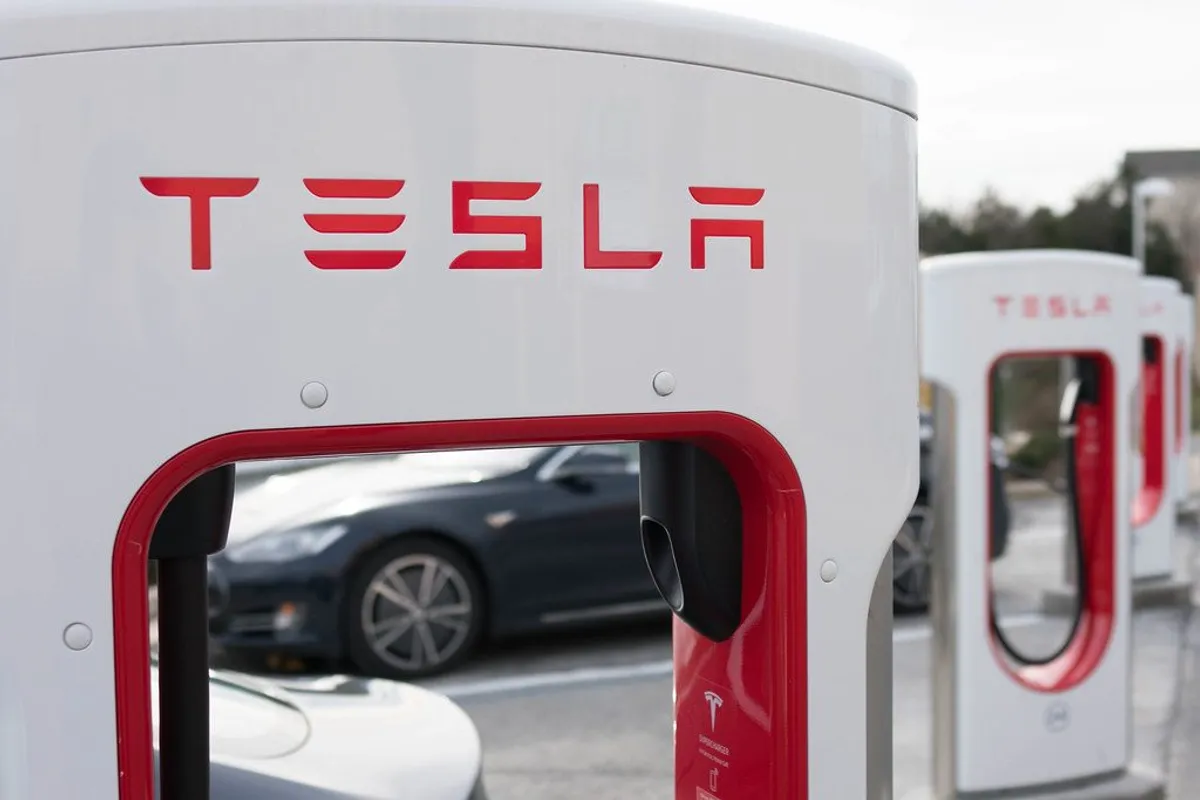
The topic for this first installment is how we handle charging. To cut to the conclusion: we decided not to install home charging, and to run the car exclusively on Superchargers instead.
Home charging was never really an option to begin with
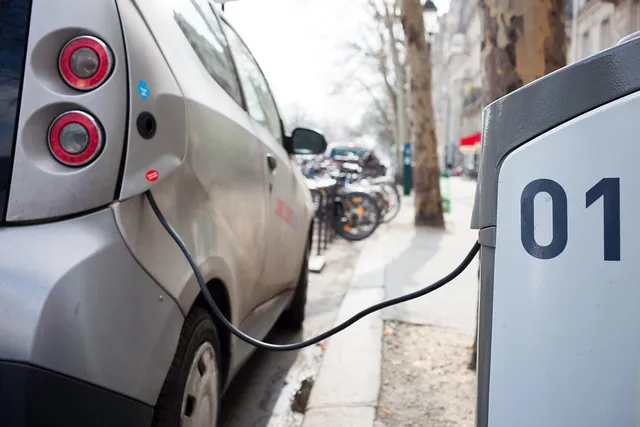
Our home doesn’t have anything like a mechanized parking garage or a dedicated space of its own. I think this is a pretty common setup in the city center, but we keep the car in a monthly rental parking lot about a 10-minute walk from home, roughly 900 meters away.
Because of that, installing 200V standard charging equipment at home was never really realistic once we decided to bring in the new Tesla. I did consider talking to the parking lot’s management company about it, but the bar for getting construction work approved on a rented parking space felt too high, so I decided against it. If it were a parking space we owned outright, things might have been different, but with a monthly rental, I suspect there’s a good chance the construction permit simply wouldn’t have been granted anyway.
As a result, we settled on relying solely on the Supercharger network, at least for the first few years. I imagine plenty of households that own a car in the city center are in the same boat, working from the assumption that their parking space is rented rather than owned.
A time-limited order window came with 3 years of free charging
What really pushed us toward the no-home-charging decision was the timing of our order. By finalizing the order before a certain deadline, this vehicle qualified for a campaign that makes Supercharger charging free for 3 years.
Running the numbers for a household with usage patterns similar to ours, I’d estimate this 3-year free charging perk is worth somewhere in the range of ¥200,000 to ¥400,000. Of course, campaign details and eligibility conditions change over time, so if you’re considering this yourself, please make sure to check the official site for the latest information.
Without this campaign, we might have been a bit more cautious about deciding to skip home charging. Honestly, having that free period made it a lot easier to commit to going all-in on Supercharger.
One month in: looking at our actual charging data
Now for the actual data. The Tesla app keeps a full charging history, so I looked back over it once we hit the one-month mark after delivery.
Over that one month, our total Supercharger usage came to about 70kWh. That works out to roughly 332km of driving, and the charging fee we paid was ¥0. Everything fell within the scope of the free campaign.
| Item | Month 1 results |
|---|---|
| Supercharger usage | About 70kWh |
| Distance driven | About 332km |
| Charging fee paid | ¥0 (covered by free campaign) |
| Estimated savings shown in app | About ¥5,290 |
The app also shows an estimate of how much you’ve saved compared to paying the standard Supercharger rate, and for this first month that came to about ¥5,290 in savings. Not paying any out-of-pocket cost for the month, and getting to keep that entire amount, has felt more impactful than I expected.
Our other EV, a Model 3, is firmly in the home-charging camp
One thing worth adding here: we also own a Tesla Model 3 as a second EV. We run that Model 3 on the assumption of home charging, using a 200V outlet or charger at home.
Even with the same brand of car, running two EVs side by side has made it clear that where you park changes what the optimal charging strategy looks like. Whether you can park at home or you’re relying on a monthly rental lot makes for a completely different charging setup. If you’re considering an EV, I’d suggest not assuming “it’s an EV, so home charging is the only option,” and instead working backward from your own parking situation.
Clicking this opens the Rakuten login page. Once you log in, you’ll see the campaign details.
What happens once the free period ends
The 3-year free period will end eventually. When it does, we’re planning to consider switching to Supercharger’s monthly subscription plan.
Rather than calculating the exact break-even point in advance right now, I’m planning to wait until that timing actually gets close, then decide based on our monthly mileage and the going charging rate at that point. Even if I worked out precise estimates for the future today, any change in our lifestyle would immediately upend those assumptions. If the number of kids in our household increases, for instance, both how often we go out on weekends and how far we drive would change.
Whether you’re already a car owner or just thinking about becoming one, I feel that even for households without a home parking space, going without home charging is a genuinely realistic option as long as there’s a reliable fast-charging network nearby. The keys, I think, come down to two things: whether you qualify for a free charging campaign, and how the price of public charging compares to your actual monthly mileage.
How this connects to fixed-cost management in the Rakuten ecosystem
Laying the numbers out like this, I feel like managing charging costs runs on the same logic as the fixed-cost inventory we normally do at home. The habit of regularly reviewing our monthly spending, everything from Rakuten Card payments to Rakuten Mobile fees to how we use Rakuten Points, may well be the foundation that lets us approach a new expense like this with a level head.
If you haven’t started reviewing your fixed costs yet, take a look at Getting Started with Cutting Fixed Costs. And if you’d like to review your electricity-related fixed costs together through Rakuten’s services, check out the Rakuten Denki and Rakuten Hikari bundle perks as well. I’m planning to keep covering Tesla-related topics in this series going forward, so I hope you’ll stay tuned.
If you’re not on Rakuten Mobile yet, it might be worth taking a peek at their fee simulator.
Clicking this opens the Rakuten login page. Once you log in, you’ll see the campaign details.
This article contains affiliate advertising. If you sign up for a product or service through a link on this site, we may receive compensation from the partner company. The site operator is also an employee of Rakuten Group and may receive compensation through an employee referral program. The content and opinions here are based on the operator’s own experience and research regardless of any advertising relationship, but please read with the above in mind. See the Disclaimer & Affiliate Disclosure for details. Disclaimer & Affiliate Disclosure
This article includes machine-translated content. Please check the official Rakuten Mobile multilingual page for exact terms.
If you have concerns about Rakuten Mobile coverage or signal quality, you can consult through the official signal improvement request form .