Good morning. It’s まさきん.
Consolidating your everyday spending onto a single card makes managing things a lot easier. Both your points and your household budget can end up surprisingly simple. Today I want to share how our family thinks about card consolidation.
Why the number of cards keeps growing
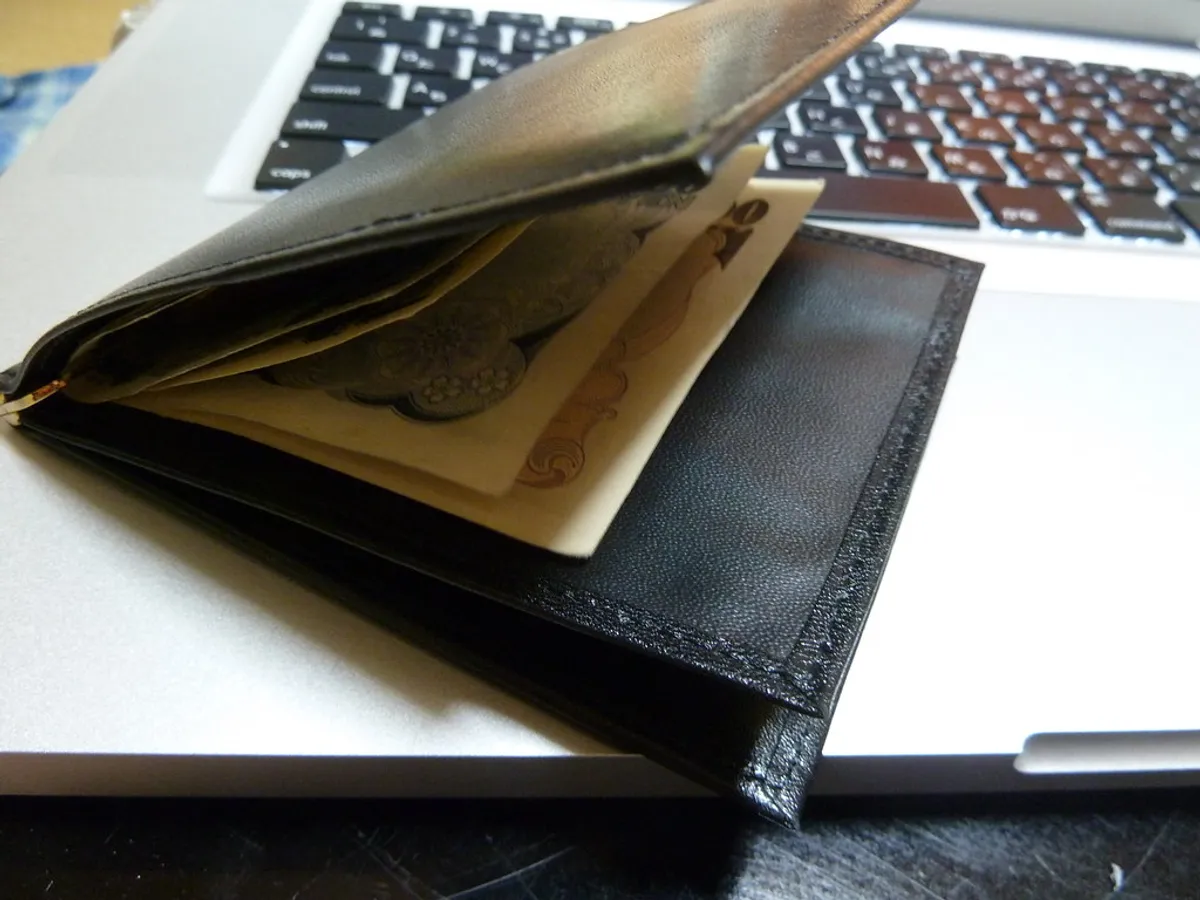
A sign-up campaign online, and suddenly you’ve made a new card. Getting talked into a combined store-points-and-credit card happens often too. Before you know it, your wallet has filled up with several cards.
Each individual card has its own reason behind it — something like “it’s worth using at this particular store.” But looked at as a whole, the picture changes.
As a result, your points end up spread across multiple cards. In the end, none of them build up to much of anything.
Speaking as a marketer, this is really a case of your payment “funnel” getting fragmented. The more funnels you have, the more the management overhead piles up.
Syncing with a budgeting app gets more tedious too as the number of cards grows. In the end, it can get hard to keep track of exactly how much you spent on which card.
The benefits of consolidating to one main card
The biggest benefit is that your points stop getting scattered. You can concentrate your spending toward whichever rewards program you’re actually targeting.
Many credit cards have tiered structures where your reward rate goes up the more you use them. Some also offer bonus rewards tied to a particular group of affiliated services. But these kinds of perks only really pay off when your spending is concentrated in one place.
When your spending is split across multiple cards, the story changes. You can end up in a situation where none of your cards ever clears the bonus threshold.
Another benefit is less time spent checking budgets and statements. You no longer need to compare multiple card statements at the end of the month. You can get a full picture of your spending just by looking at one statement.
I went through a period myself of juggling multiple cards. It used to take a while just to figure out how much I’d spent on what that month. But after consolidating to one card, reviewing our household finances got a lot easier.
Actually, this idea isn’t limited to cards. I think mobile phone lines and rate plans can be consolidated using the same logic. Since you’re already in the mindset of consolidating fixed costs, it might be worth reviewing those together too.
As a first step, you can check your current phone bill with a rate simulation.
If you’re curious after seeing the simulation result, feel free to check this out too.
Clicking this opens the Rakuten login page. Once you log in, you’ll see the campaign details.
Tips for consolidating smoothly
I wouldn’t recommend canceling all your other cards right away. Here’s the order I’d suggest instead.
- Start by unifying where your fixed costs get billed: Switch monthly charges like subscriptions and utility bills over to your main card first.
- Confirm the charges disappear from your old card’s statement: After switching, check your old card’s statement for about 1-2 months. Don’t cancel the old card right away, to avoid any double billing.
- Use up your remaining points before canceling: Spend down any points on your old card rather than letting them expire, then cancel.
When it’s fine to make an exception
That said, you don’t need to funnel every single payment through one card. For example, some people keep a separate card used only for an annual membership fee. It stays stored at home rather than in your wallet day-to-day.
Depending on the card issuer, the annual fee can end up free under certain conditions — for instance, free as long as you use the card at least once a year. If a card like that meets those conditions, there’s no need to force yourself to cancel it. In some cases, it genuinely costs you nothing to keep.
What matters most is removing that card from your everyday decision-making. Just keeping it out of your wallet and stored away goes a long way toward cutting down the complexity.
Wrapping up
Consolidating your credit cards down to one main card lets you maximize your point rewards. It also has the effect of simplifying your household budget tracking.
Start by switching your fixed-cost billing over, one at a time. Cancel your old cards only after using up their points. Following that order should make for a smooth transition.
In our house, we apply the same thinking to our mobile bill too. We consolidated around Rakuten Mobile, bringing our card and our phone service into one ecosystem. That’s made managing our household finances noticeably simpler.
If you’re thinking about where to consolidate your fixed costs, Rakuten Mobile is one option worth considering. If you haven’t looked into it yet, it might be worth checking their current rates and campaigns on the official site.
Clicking this opens the Rakuten login page. Once you log in, you’ll see the campaign details.
This article contains affiliate advertising. If you sign up for a product or service through a link on this site, we may receive compensation from the partner company. The site operator is also an employee of Rakuten Group and may receive compensation through an employee referral program. The content and opinions here are based on the operator’s own experience and research regardless of any advertising relationship, but please read with the above in mind. See the Disclaimer & Affiliate Disclosure for details. Disclaimer & Affiliate Disclosure
This article includes machine-translated content. Please check the official Rakuten Mobile multilingual page for exact terms.
If you have concerns about Rakuten Mobile coverage or signal quality, you can consult through the official signal improvement request form .